
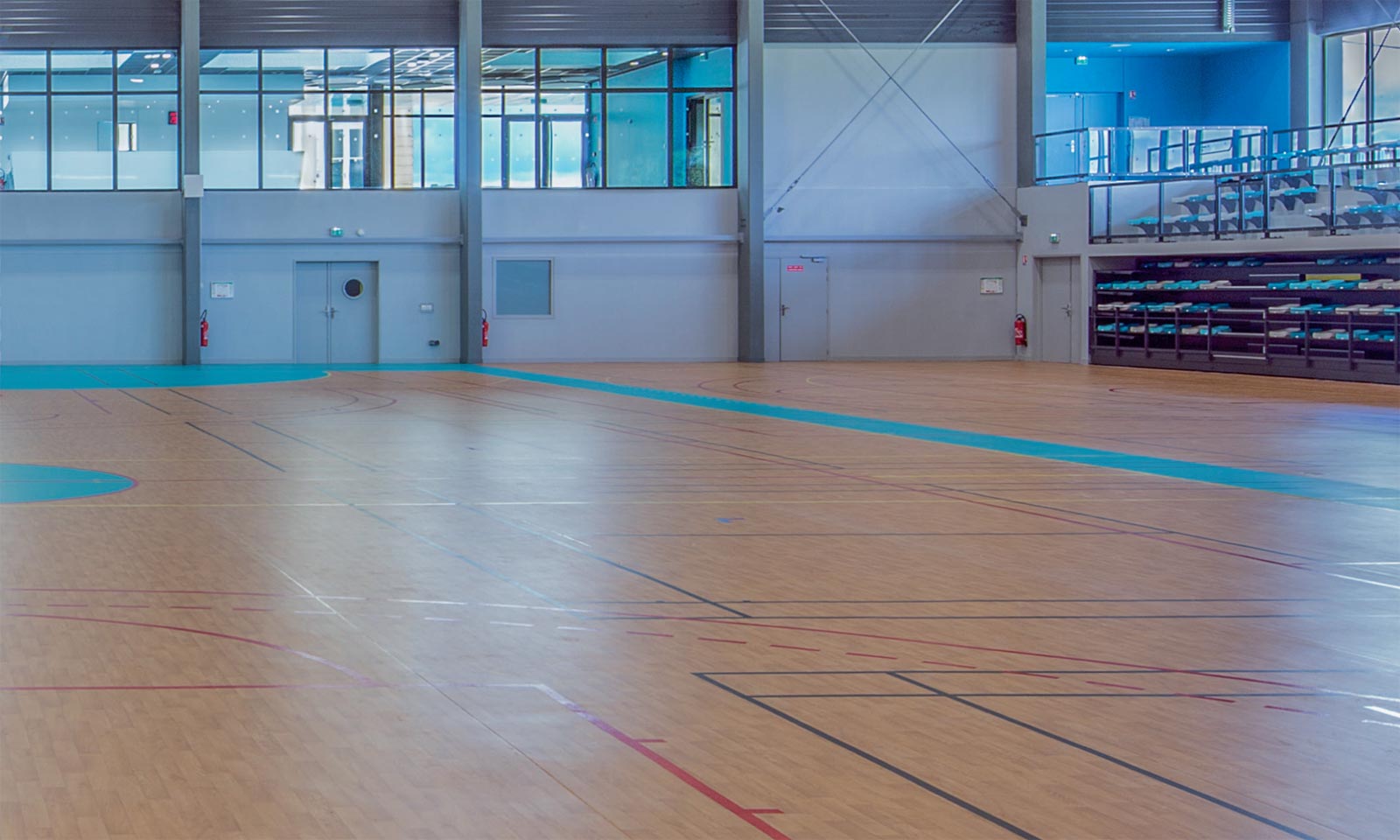
Introduction: Gym Flooring Is Where Most Gyms Quietly Fail
Nobody talks about gym flooring until something starts going wrong.
A loose tile here. Noise complaints from downstairs. A cracked subfloor showing up after a few months.
It’s always the same story in Dubai.
At ZayaanCo, flooring is treated differently. Not as décor, not as an afterthought. It’s infrastructure. The kind that carries thousands of kilos daily without complaining.
This guide breaks down how gym flooring actually should be selected, not how it’s usually sold.
The ZayaanCo Performance Flooring System (ZPFS Model)
Most gyms make one big mistake: they pick one material for everything.
That’s not how performance facilities work.
We use a simple working model:
ZPFS = Zone + Pressure + Function System
It breaks flooring into 3 decision layers:
- Zone: where the activity happens
- Pressure: how much impact/load is involved
- Function: what movement actually occurs
Once you apply this, flooring decisions stop being guesswork.
Why Gym Flooring in Dubai Fails More Often
Dubai adds its own complications.
It’s not just about weight or usage.
- Air conditioning cycles constantly expand and contract materials
- Concrete slabs often hold hidden moisture
- High-rise gyms transfer vibration like echo chambers
- Budget builds use residential-grade flooring in commercial spaces
It all stacks up. Slowly. Then suddenly.
That’s usually when failure shows up.
Main Types of Gym Flooring Used in Dubai
Rubber Flooring (The Non-Negotiable Core Layer)
If a gym lifts serious weight, rubber is unavoidable.
It absorbs impact, protects concrete, and keeps noise under control.
Used in:
- weight rooms
- CrossFit zones
- strength training areas
It comes in different densities. That matters more than most people realize.
Thin rubber might look fine on day one. It doesn’t stay that way.
Artificial Turf (For Movement, Not Decoration)
Turf is misunderstood.
It’s not aesthetic design. It’s for motion.
Think sled pushes, sprint drills, explosive work.
Used in:
- HIIT lanes
- sled tracks
- athletic training areas
Most modern gyms now pair turf with a rubber base. Without it, performance drops.
Vinyl Flooring (Controlled Training Spaces)
Vinyl behaves differently. It’s calm, smooth, predictable.
Good for studios where movement is structured.
Used in:
- yoga
- pilates
- aerobics
- group classes
It’s clean, easy to maintain, and feels comfortable under foot.
Just don’t drop weights on it. That’s where things go wrong.
EVA Foam (Niche but Useful)
Foam has a place, just not everywhere.
It’s soft, forgiving, and cheap compared to others.
Used in:
- martial arts
- beginner zones
- rehab or mobility spaces
But in heavy-use commercial gyms, it wears out fast.
Thickness Matters More Than Material
This is where most people get it wrong.
Material choice is important, yes. But thickness decides survival.
- 6–8 mm → light training, studios
- 8–12 mm → general fitness areas
- 12–15 mm → strength zones
- 15–20 mm → heavy lifting / CrossFit
Go below this range in a commercial gym and failure becomes a question of “when”, not “if”.
The ZayaanCo Zoning Layout Strategy (Real Gym Design Logic)
Instead of one floor across the entire gym, zoning performs better.
Strength Zone
Heavy rubber flooring. Always.
Cardio Zone
Vinyl or lighter rubber depending on machine load.
Functional Zone
Turf + rubber hybrid system.
Studio Zone
Vinyl, clean and controlled.
Recovery Zone
Foam or soft-impact surfaces.
It sounds simple. It actually changes everything in real usage.
Noise, Vibration and Why Dubai Makes It Worse
Gyms in villas are easy. Gyms in towers are not.
Every dropped dumbbell sends vibration through slabs.
Rubber flooring helps reduce that. But installation quality decides how effective it really is.
A poorly installed rubber floor still becomes a noise problem.
Installation Process (Where Most Contractors Cut Corners)
Step 1: Subfloor check
Moisture, cracks, leveling. All must be checked properly.
Step 2: Surface preparation
Grinding, filling, smoothing. No shortcuts here.
Step 3: Material settling
Flooring needs to adjust to room temperature before install.
Step 4: Installation method
Glue-down, interlock, or anchored turf systems depending on material.
Step 5: Final inspection
Edges, seams, stability, and load response.
If any of these are ignored, lifespan drops fast.
Common Mistakes Gym Owners Still Make
This part never changes.
- choosing cheap thin rubber thinking it’s “same thing”
- skipping zoning completely
- ignoring moisture in concrete
- mixing residential flooring in commercial setups
- hiring installers without gym experience
These decisions always cost more later.
Not slightly more. A lot more.
Cost Reality in Dubai (No Sugarcoating)
Pricing depends on:
- density of material
- thickness level
- subfloor condition
- installation complexity
- zoning design
Rubber stays mid-range. Turf systems and hybrid setups cost more because installation is not simple.
Cheap flooring is never actually cheap over time.
Why Installation Quality Decides Everything
Even premium flooring fails if installed badly.
Good installation gives:
- longer lifespan
- lower maintenance
- better safety performance
- stable surface under load
Bad installation does the opposite, fast.
FAQ
What is the best gym flooring in Dubai?
Rubber flooring is the base standard, but most high-performing gyms use a zoned system combining rubber, turf, vinyl, and foam.
How thick should gym flooring be?
For commercial gyms, anything under 10 mm in high-load zones is not recommended.
Does gym flooring reduce noise?
Yes. Rubber systems significantly reduce vibration and impact noise, especially in high-rise buildings.
Can I install gym flooring myself?
Small home setups maybe. Commercial gyms should not be DIY. Too many failure points.
How long does gym flooring last?
Good quality systems last roughly 7–12 years depending on usage and maintenance.
Conclusion
Gym flooring in Dubai is not a surface decision. It is a system decision.
The gyms that perform best are not guessing. They are zoning properly, selecting based on function, and installing with precision.
That’s exactly what the ZayaanCo Performance Flooring System is built for.
Not just flooring that looks good on day one, but flooring that still works years later without excuses.