
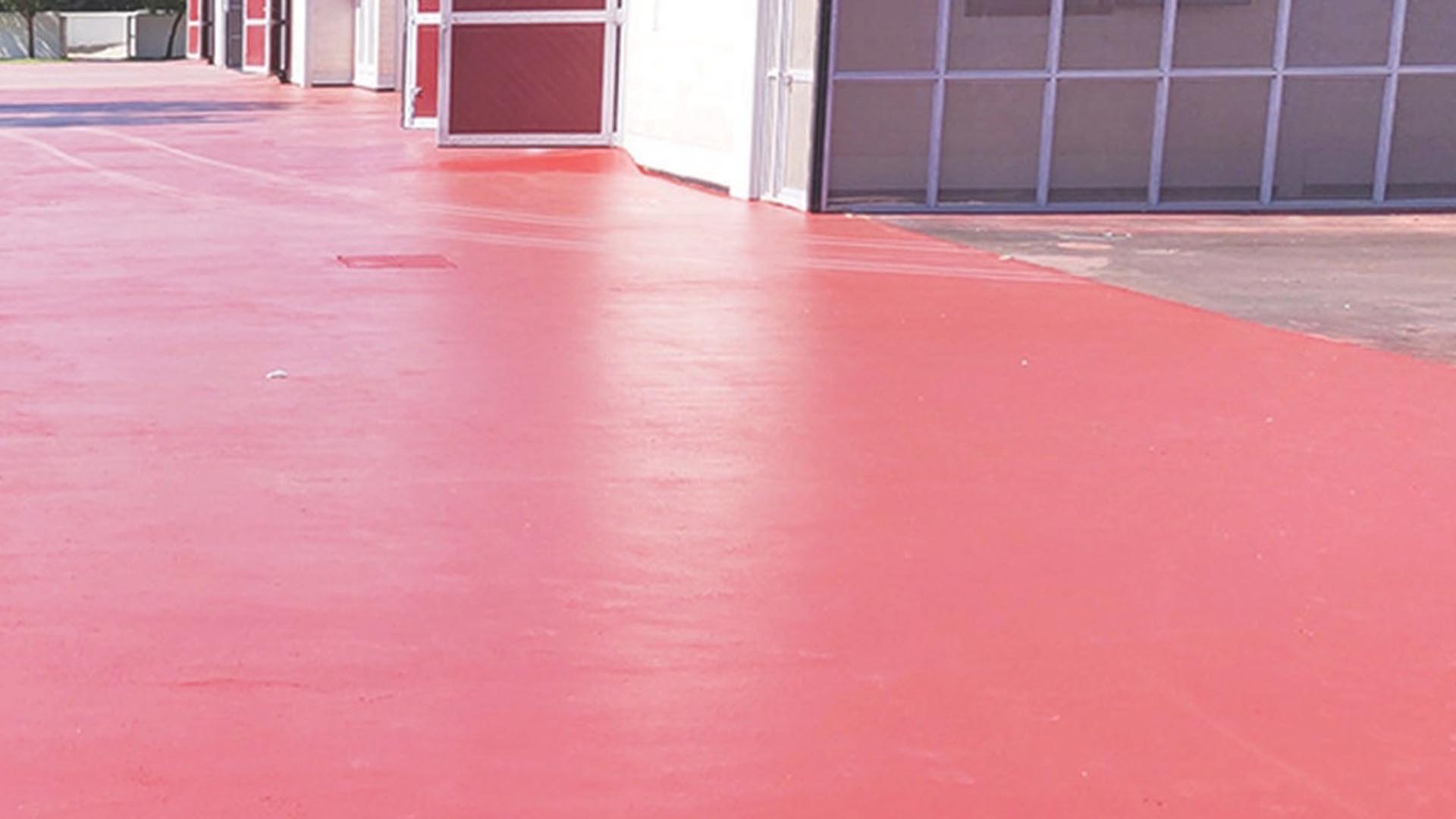
Flooring is often viewed as a design choice, but in reality, it is a long-term investment that influences property value, maintenance expenses, safety, and daily performance.
For residential, commercial, and industrial properties across the UAE, flooring must do more than look attractive. It needs to withstand challenging conditions such as high temperatures, humidity changes, continuous air-conditioning cycles, dust exposure, and heavy usage.
Many property owners make the mistake of choosing flooring based only on the initial installation cost. While a lower upfront price may seem beneficial during the project planning stage, it can sometimes lead to higher expenses later through repairs, maintenance issues, and early replacement.
A well-selected flooring system, on the other hand, can provide better durability, reduced ownership costs, and reliable performance for many years.
At Zayaanco, flooring selection goes beyond appearance. The focus is on helping clients identify flooring systems that match their property’s requirements, usage patterns, budget expectations, and long-term performance goals.
This guide explains how flooring ROI works, why lifecycle cost matters, and how UAE property owners can make more informed flooring decisions.
What Is Flooring Lifecycle Cost?
Flooring lifecycle cost refers to the total cost involved in owning, maintaining, repairing, and eventually replacing a flooring system throughout its useful lifespan.
Many people only consider the purchase price of the flooring material and installation charges. However, the actual investment includes several other factors that affect the total cost over time.
These include:
- Material purchase cost
- Installation expenses
- Subfloor preparation
- Labour requirements
- Cleaning and maintenance
- Repairs and refurbishment
- Downtime caused by flooring issues
- Replacement costs
A flooring system with a higher initial investment may actually provide better value if it lasts longer, requires fewer repairs, and maintains its appearance and functionality over time.
For commercial and industrial properties, lifecycle cost analysis is especially important because flooring performance can directly affect operational efficiency and maintenance budgets.
Why Initial Flooring Cost Does Not Always Define Value
The lowest-priced flooring option is not necessarily the most economical choice.
A cheaper flooring material may reduce initial project expenses, but it can create additional costs later through:
- Frequent repairs
- Higher maintenance needs
- Poor resistance to heavy traffic
- Faster wear and tear
- Earlier replacement requirements
- Business disruption during repair work
For example, warehouse and industrial facilities experience demanding conditions every day. Floors may need to withstand forklifts, machinery movement, chemical exposure, impact, and constant traffic.
Installing a flooring system that is not designed for these conditions can result in cracking, surface damage, safety concerns, and unexpected repair expenses.
A better approach is to evaluate flooring based on the total cost of ownership rather than focusing only on the installation price.
Factors That Influence Flooring ROI in UAE
The return you receive from a flooring investment depends on several practical factors. Material selection, installation quality, environmental conditions, and maintenance practices all influence how well a flooring system performs over time.
The right flooring choice depends on:
- Property type
- Expected traffic levels
- Environmental exposure
- Maintenance expectations
- Design requirements
- Operational conditions
Choosing flooring based on actual usage rather than appearance alone helps improve durability and reduces unnecessary expenses.
Selecting the Right Flooring Material
Different environments require different flooring characteristics. A luxury villa, corporate office, retail store, and industrial facility all have different performance expectations.
Selecting the correct material is one of the biggest factors affecting flooring ROI.
Engineered Wooden Flooring for Premium Interiors
An Engineered Wooden Floor Dubai solution combines the natural appearance of timber with improved stability compared with traditional solid hardwood.
It is commonly selected for:
- Luxury villas
- Apartments
- Executive offices
- Hotels
- Premium retail spaces
Key advantages include:
- Elegant and premium appearance
- Better stability against temperature changes
- Long service life with proper maintenance
- Ability to refresh the surface when required
- Added value to interior spaces
Engineered wood is especially suitable for projects where visual appeal and durability need to work together. When properly installed and maintained, it can provide excellent lifecycle value for premium interiors.
SPC and Vinyl Flooring for Flexible Commercial Applications
SPC and vinyl flooring have become popular choices across UAE residential and commercial projects because they offer a practical balance between durability, cost, and design flexibility.
Common applications include:
- Offices
- Retail spaces
- Residential properties
- Educational facilities
- Hospitality environments
Their advantages include:
- Water resistance
- Easy cleaning and maintenance
- Good wear resistance
- Faster installation compared with some traditional flooring options
- Wide range of designs and finishes
- Cost-effective ownership
For properties requiring reliable performance without excessive maintenance demands, SPC and vinyl flooring can provide strong value throughout their service life.
Industrial Flooring Solutions for Heavy-Duty Environments
Industrial environments require flooring systems designed for demanding working conditions.
Epoxy and polyurethane flooring systems are commonly used in:
- Warehouses
- Manufacturing facilities
- Workshops
- Logistics centres
- Industrial plants
These systems provide benefits such as:
- High impact resistance
- Chemical protection
- Seamless surface finish
- Easier cleaning
- Reduced maintenance requirements
- Long operational lifespan
Choosing the correct system is essential because industrial flooring performance depends heavily on the environment where it will be installed.
Working with an experienced Industrial Coating Contractor Dubai helps ensure the flooring system is selected according to traffic levels, operational requirements, and expected performance.
Flooring Lifecycle Cost Comparison
The real cost of flooring is determined by more than the initial purchase price. The following comparison shows how different flooring options may perform throughout their service life.
| Flooring Type | Initial Cost | Maintenance Requirement | Typical Lifespan | Long-Term Value |
|---|---|---|---|---|
| Basic Vinyl Flooring | Low | Medium | 5–15 years | Suitable for budget-focused projects |
| SPC Flooring | Medium | Low | 10–25 years | Strong value for residential and commercial spaces |
| Engineered Wood Flooring | Higher | Medium | 15–30 years | Premium option with aesthetic benefits |
| Epoxy Flooring | Medium | Low | 10–20+ years | Suitable for industrial environments |
| Polyurethane Flooring | Higher | Low | 15–25 years | High-performance option for demanding applications |
Actual lifespan depends on factors such as installation quality, daily usage, maintenance practices, and environmental conditions.
How Installation Quality Affects Flooring Lifespan
Selecting a high-quality flooring material is only one part of achieving good long-term performance. Even premium flooring can experience problems when installation is not carried out correctly.
Installation quality directly affects durability, appearance, safety, and overall lifecycle cost.
Poor installation practices can result in:
- Uneven surfaces
- Loose flooring sections
- Cracks and surface damage
- Moisture-related issues
- Reduced lifespan
- Premature replacement
For this reason, professional flooring installation is an important part of protecting the original investment.
At Zayaanco, flooring installation focuses on proper preparation, suitable installation methods, and attention to the specific requirements of each project. The objective is not only to install flooring but to ensure the system performs effectively throughout its expected service life.
Importance of Proper Subfloor Preparation
The surface beneath the flooring plays a major role in determining how well the finished floor performs.
A poorly prepared subfloor can create issues that become visible months or years after installation.
Professional preparation may include:
- Surface cleaning
- Level correction
- Crack repair
- Moisture testing
- Surface treatment
- Removal of existing flooring issues
A properly prepared foundation helps improve stability, prevents premature damage, and allows the flooring material to perform as intended.
Choosing the Correct Flooring Installation Method
Different flooring materials require different installation techniques. Using the wrong method can reduce durability and affect the overall return on investment.
Common installation approaches include:
Floating Installation
Often used for selected wood and vinyl flooring systems where the flooring is installed without direct bonding to the subfloor.
Adhesive Installation
Commonly used for commercial flooring applications where stability and movement control are important.
Resin Application Systems
Used for industrial coatings where a seamless, durable surface is required.
Choosing the correct installation method ensures better performance, reduces future maintenance requirements, and extends flooring lifespan.
Maintenance Requirements and Their Impact on Flooring ROI
Maintenance is one of the most important factors affecting flooring lifecycle cost.
Two flooring systems with similar installation costs can have very different ownership expenses depending on how much maintenance they require over time.
Important considerations include:
- Cleaning frequency
- Repair requirements
- Resistance to stains and damage
- Availability of replacement materials
- Daily traffic levels
- Environmental exposure
For example, an office environment may prioritise appearance, comfort, and easy cleaning, while an industrial warehouse may require resistance against machinery movement, chemicals, and heavy impact.
Selecting flooring based on actual operating conditions helps reduce unnecessary maintenance costs and improves overall ROI.
Why Lifecycle Cost Matters for Commercial Projects in UAE
For commercial properties, flooring is not simply a finishing element. It is part of the operational environment.
A flooring system can influence:
- Maintenance budgets
- Workplace safety
- Customer experience
- Property appearance
- Business continuity
In retail stores, offices, hotels, and industrial facilities, flooring problems can create costs beyond repairs. Temporary closures, restricted access, and disruption to daily operations can increase the overall financial impact.
This is why many developers, facility managers, and business owners now evaluate flooring based on lifecycle performance rather than only initial pricing.
A flooring solution that performs reliably for years often provides better financial value than a cheaper option requiring frequent attention.
How UAE Climate Conditions Affect Flooring ROI
Flooring systems installed in the UAE face unique environmental challenges throughout the year.
High summer temperatures, humidity variations, air-conditioning cycles, and desert dust can influence flooring performance if the wrong material or installation method is selected.
These conditions may affect:
- Material expansion and contraction
- Moisture resistance
- Surface durability
- Appearance retention
- Long-term stability
For example, flooring installed in coastal areas may face different moisture conditions compared with flooring used in dry inland environments.
Selecting materials suitable for UAE conditions and following correct installation practices can help reduce maintenance requirements and improve service life.
At Zayaanco, flooring recommendations consider local environmental conditions along with the property’s intended use.
How Zayaanco Helps Businesses Choose Long-Term Flooring Solutions
Choosing the right flooring requires more than comparing product prices. It requires understanding how the flooring will perform in real-world conditions.
At Zayaanco, flooring recommendations are based on:
- Property type and usage
- Expected traffic levels
- UAE environmental conditions
- Maintenance expectations
- Budget considerations
- Long-term performance goals
Rather than focusing only on appearance or initial cost, Zayaanco helps clients evaluate flooring options based on durability, practicality, and lifecycle value.
Whether the requirement is premium interior flooring, commercial flooring solutions, or industrial flooring systems, selecting the right material at the beginning can significantly reduce future costs.
How to Calculate Flooring Cost Per Year
One effective way to compare flooring investments is by calculating the annual ownership cost.
The formula is:
Annual Flooring Cost = (Installation Cost + Maintenance Cost + Repair Cost + Replacement Cost) ÷ Expected Lifespan
This calculation provides a clearer understanding of the actual financial impact of a flooring system.
A flooring option with a higher upfront cost may have a lower annual cost if it lasts longer and requires fewer repairs.
For businesses, this approach provides a more practical way to evaluate flooring decisions and plan long-term budgets.
How to Improve Flooring ROI
Property owners can improve flooring value by focusing on three key areas:
Choose Flooring Based on Actual Usage
The best flooring solution depends on where it will be installed.
Examples:
- Luxury interiors → Engineered wood flooring
- Offices → SPC, vinyl, carpet tiles, or engineered flooring
- Gyms → Rubber flooring
- Warehouses → Epoxy or polyurethane coatings
Selecting a material that matches the environment helps avoid unnecessary repairs and replacement costs.
Prioritise Professional Installation
Professional installation improves:
- Flooring lifespan
- Safety
- Appearance
- Maintenance performance
A correctly installed floor allows the material to perform closer to its expected lifespan and protects the original investment.
Invest in Preventive Maintenance
Regular inspections and timely maintenance help identify small issues before they become expensive problems.
Preventive maintenance helps preserve:
- Surface quality
- Safety standards
- Flooring appearance
- Overall performance
A proactive maintenance approach can significantly extend the useful life of a flooring system.
Frequently Asked Questions About Flooring ROI in UAE
What is the most cost-effective flooring option in UAE?
The most cost-effective flooring depends on the property’s requirements. SPC and vinyl flooring often provide excellent value for residential and commercial applications, while epoxy and polyurethane systems are more suitable for industrial environments.
Is expensive flooring always better?
Not always. The best flooring choice depends on usage, environmental conditions, maintenance expectations, and long-term objectives. A higher-quality flooring system may provide better ROI if it reduces repair and replacement costs.
How long does flooring typically last in UAE conditions?
Flooring lifespan depends on the material type, installation quality, maintenance routine, and daily usage. High-quality flooring systems can typically last between 10 and 30 years depending on the application.
What flooring is best for warehouses in UAE?
Warehouses generally require durable industrial flooring solutions such as epoxy or polyurethane coatings. These systems provide resistance against impact, chemicals, and heavy traffic while remaining easier to maintain.
Why is professional flooring installation important?
Professional installation ensures correct preparation, proper application methods, and better long-term performance. Even high-quality materials may fail early if they are installed incorrectly.
What factors affect flooring lifespan in UAE?
Flooring lifespan is influenced by material quality, installation standards, traffic levels, maintenance practices, humidity exposure, and temperature variations.
Is lifecycle cost more important than initial flooring price?
Initial price is only one part of the decision. Lifecycle cost provides a more accurate picture because it considers maintenance, repairs, replacement frequency, and long-term performance.
Conclusion
Flooring should be viewed as a long-term investment, not just an installation cost. Understanding flooring ROI and lifecycle costs in the UAE helps property owners choose durable solutions with lower maintenance needs and better value.
At Zayaanco, we help residential, commercial, and industrial clients select flooring systems designed for performance, reliability, and long-term results.