
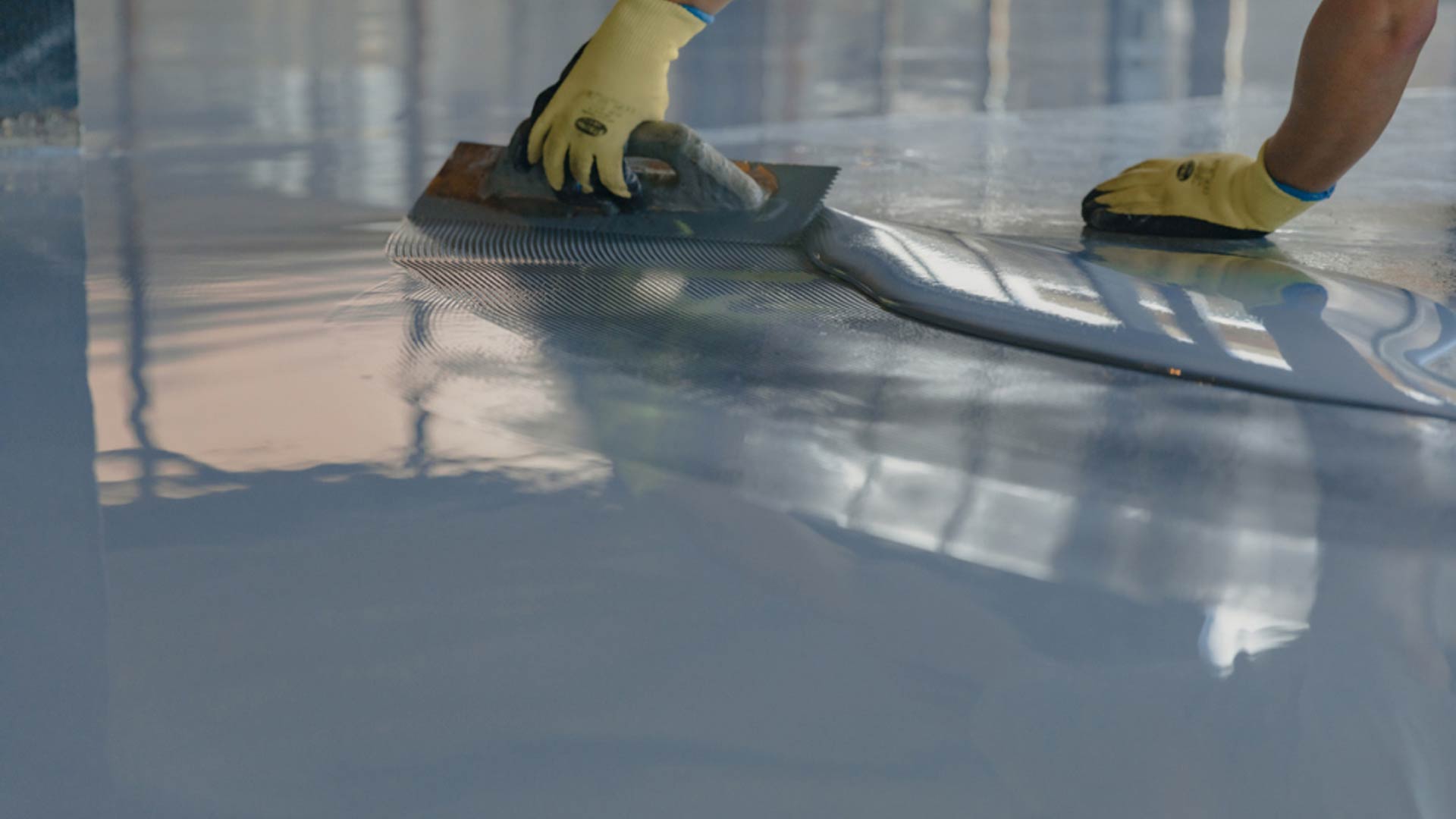
Industrial floors don’t get much attention until something goes wrong. Cracks, chemical stains, forklift damage — that’s usually when businesses start looking for solutions.
In places like Dubai, where warehouses and factories run at full capacity almost year-round, flooring isn’t just a surface. It’s part of the operational system.
Choosing the right industrial coating contractor in Dubai usually comes down to one thing: how long the floor survives under pressure.
Why Industrial Floor Coatings Matter
Bare concrete looks strong, but in practice it’s vulnerable. It absorbs moisture, collects dust, stains easily, and starts breaking down under constant movement.
That’s where coatings change the game.
A proper industrial flooring system helps with:
- reducing surface damage from heavy traffic
- protecting against oil and chemical spills
- controlling dust in working zones
- improving safety in active areas
- cutting down long-term maintenance costs
- extending floor life significantly
Most facilities don’t replace floors because they want to — they do it because they waited too long.
In industrial zones like Jebel Ali, Al Quoz, Dubai Industrial City, and DIP, this becomes even more critical due to nonstop logistics movement.
Types of Industrial Floor Coatings
There isn’t a single solution that works everywhere. The right system depends on how the space is actually used.
Epoxy Flooring
Epoxy is the most common system you’ll see in warehouses and factories.
It performs well in environments with:
- forklift movement
- heavy storage loads
- general industrial operations
What makes it popular is its balance — strong enough for industrial use, but still cost-effective for large spaces.
Polyurethane (PU) Flooring
PU behaves differently. It’s more flexible and handles temperature changes better.
That’s why it shows up more in:
- food production units
- cold storage facilities
- pharmaceutical environments
- commercial kitchens
Where epoxy may become rigid over time, PU stays more adaptable.
Heavy-Duty Resin Flooring
This is the “no compromise” option.
You’ll usually find it in:
- aircraft hangars
- heavy engineering plants
- high-load manufacturing zones
- loading and docking areas
It’s built for environments where failure isn’t an option.
Epoxy vs PU vs Resin Flooring (Quick Comparison)
| Feature | Epoxy | PU | Heavy-Duty Resin |
|---|---|---|---|
| Best Use | Warehouses & factories | Food & cold storage | Heavy industry |
| Chemical Resistance | High | Very High | Very High |
| Heat Resistance | Medium | High | High |
| Impact Strength | High | High | Very High |
| Lifespan | 10–15 yrs | 12–20 yrs | 15–20 yrs |
Choosing the Right System
Most mistakes happen before installation, not after it.
The right system depends on:
- type of industry
- level of traffic
- chemical exposure
- temperature conditions
For example, a warehouse in Al Quoz has completely different needs compared to a cold storage facility in Dubai Industrial City.
That’s why site assessment matters more than product selection.
Installation Process (What Actually Happens)
It usually starts with inspection. Concrete is tested, checked for moisture, and evaluated for damage.
Then comes surface preparation — grinding, cleaning, crack repairs. This step decides how long the flooring will last.
After that:
- primer is applied
- coating layers are installed
- system is left to cure
- final inspection is done
If prep work is rushed, the system fails early. That’s where most cheap jobs go wrong.
Industry Standards (Important but often ignored)
Good flooring systems usually follow established standards like:
- ASTM testing methods for material performance
- ISO 9001 quality systems for installation consistency
These aren’t just certifications on paper — they affect how the floor behaves under stress.
Why Experience Matters in Flooring Projects
In Dubai, flooring isn’t just about applying material. It’s about understanding how facilities operate.
A proper industrial coating contractor evaluates:
- load movement patterns
- machinery type
- cleaning cycles
- long-term wear zones
Without that, the flooring system is just guesswork.
Where These Systems Are Commonly Used in Dubai
You’ll typically see industrial coatings in:
- Jebel Ali logistics hubs
- Al Quoz workshops and warehouses
- Dubai Investment Park (DIP) factories
- Dubai Industrial City manufacturing units
Each location has different pressure points, which is why flooring solutions are never one-size-fits-all.
Maintenance (Simple but critical)
Industrial floors don’t need constant attention, but they do need discipline.
Basic upkeep includes:
- regular cleaning
- immediate spill control
- periodic inspections
- early repair of surface wear
Most flooring failures don’t happen suddenly — they build up slowly.
Why Choose Zayaan Contracting
Zayaan Contracting works across industrial, commercial, and logistics spaces in the UAE.
Projects are planned based on actual site conditions — not assumptions. The goal is simple: install flooring systems that last under real-world pressure, not just technical specs.
Conclusion
Industrial flooring is not a cosmetic decision. It directly affects safety, efficiency, and maintenance cost.
Whether it’s epoxy, PU, or resin systems, the right choice depends on how the space operates daily.
In fast-moving industrial zones across Dubai, that decision matters more than most businesses realize.