
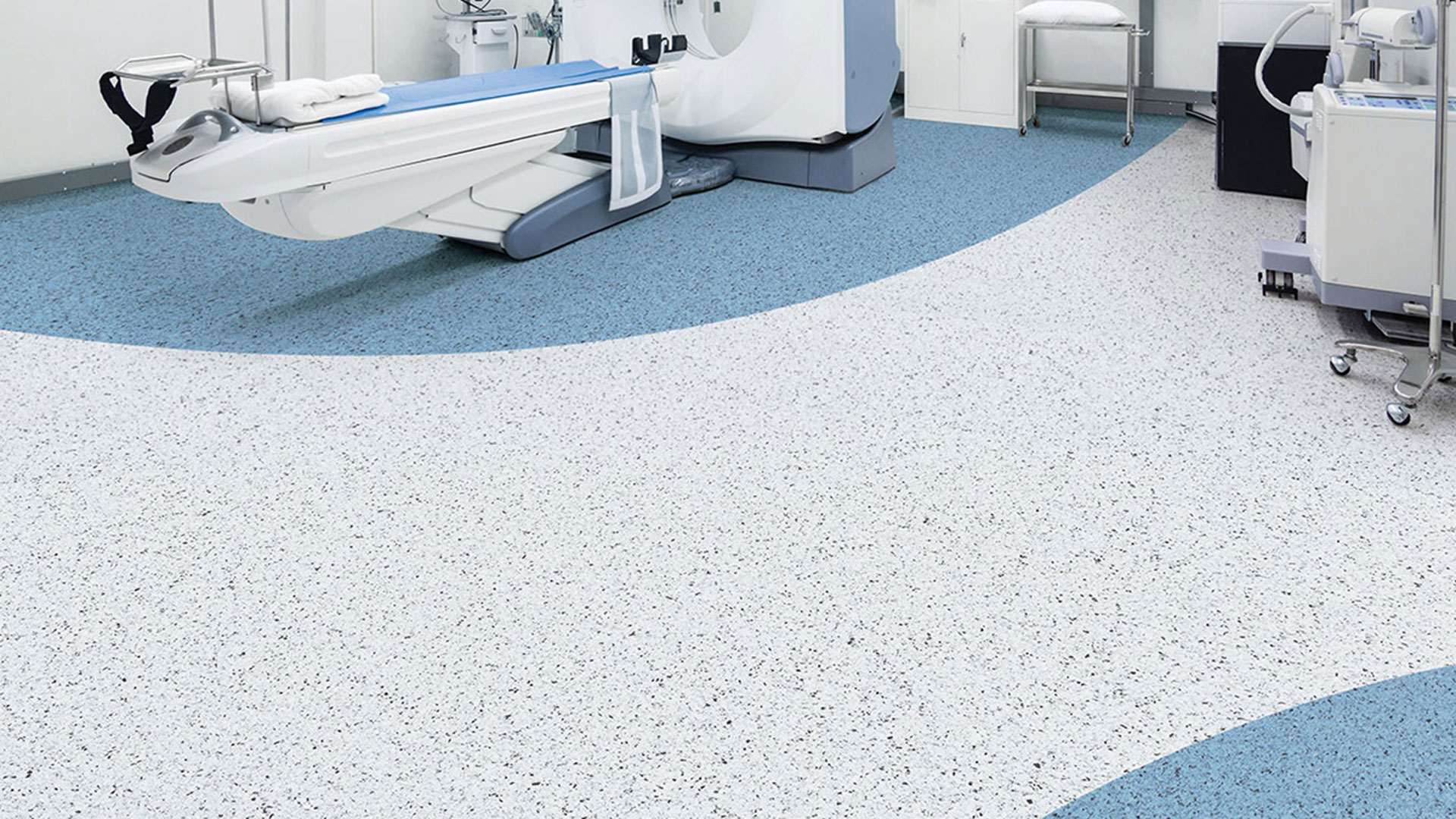
In high-risk facilities, flooring is not interior design. It is infrastructure.
One wrong material choice in a data centre leads to equipment failure.
One hygiene gap in a hospital leads to compliance issues.
One weak coating in a food facility turns into an audit failure.
This is the reality of industrial flooring in the UAE.
At Zayaan Co, we install ESD flooring, epoxy systems, and antimicrobial coatings designed for one thing: performance under pressure, not just appearance.
Where Industrial Flooring Actually Matters
Not every building needs advanced flooring. These do:
- Data centres and server rooms where static discharge destroys hardware
- Electronics manufacturing units handling sensitive components
- Hospitals, ICUs, and surgical environments requiring infection control
- Pharmaceutical labs and cleanrooms under ISO regulation
- Food production areas under HACCP inspection
- Warehouses and chemical storage zones with heavy load and exposure risks
These environments are not “optional compliance.” They are regulated systems. Flooring is part of that system.
Projects Delivered Across UAE
- Data Centre Flooring – Dubai Silicon Oasis (ESD System – 3,500+ sqm)
- Pharmaceutical Lab Coating – Jebel Ali Free Zone (Antimicrobial Epoxy – ISO-compliant zone)
- Food Production Facility – DIP, Dubai (PU flooring system for hot washdown areas)
- Warehouse Flooring – Sharjah Industrial Area (Heavy-duty epoxy – 10,000+ sqm)
ESD Flooring Dubai: Controlling a Risk You Cannot See
Static electricity is silent. You don’t notice it until equipment fails.
Every step on a normal floor generates charge. In sensitive environments, that discharge is enough to damage boards, servers, or production equipment.
That is why ESD flooring exists.
Conductive ESD Flooring
Used in high-sensitivity environments where static must be removed instantly.
- Ultra-low resistance
- Fast charge dissipation
- Used in critical electronic zones
Static Dissipative Flooring (Most Common in UAE Projects)
Used in controlled environments like data centres and assembly areas.
- Controlled discharge rate
- Safer for personnel and equipment
- Standard for most commercial ESD installations
How ESD Flooring Is Actually Installed
This is not a painting job. It is a layered engineered system.
A proper installation includes:
- Concrete moisture testing (skipped by most failures)
- Mechanical grinding for open surface profile
- Conductive primer to establish electrical continuity
- Copper grounding grid connected to building earthing
- ESD epoxy or PU top layer applied at controlled thickness
- Final resistance testing per square meter
If any of these steps are skipped, the system will fail. It is not a matter of opinion.
Antimicrobial Flooring for Healthcare & Food Facilities
Most contamination problems don’t start on surfaces you can see. They start in joints, grout lines, and micro-cracks.
Traditional tiled flooring creates long-term hygiene risks:
- Porous grout absorbs bacteria and chemicals
- Cracks form under thermal and chemical stress
- Deep cleaning never fully reaches embedded contamination
That is why modern facilities move away from tiles in critical zones.
Healthcare Flooring Systems (Hospitals & Labs)
For medical environments, we use antibacterial vinyl systems designed for infection control.
Key features:
- Seamless heat-welded joints
- Integrated antimicrobial protection layer
- Chemical resistance against disinfectants
- Coved skirting to remove wall-floor contamination points
- Compliance with DHA and JCI standards
This is built for hygiene audits, not aesthetics.
Healthcare Flooring Systems (Hospitals & Labs)
For medical environments, we use antibacterial vinyl systems designed for infection control.
Key features:
- Seamless heat-welded joints
- Integrated antimicrobial protection layer
- Chemical resistance against disinfectants
- Coved skirting to remove wall-floor contamination points
- Compliance with DHA and JCI standards
This is built for hygiene audits, not aesthetics.
Industrial Epoxy Coatings: The Base Layer That Decides Everything
Before any advanced system works, the concrete must be stabilized.
Industrial epoxy coatings provide:
- Sealing of porous concrete
- Dust-free operational surface
- Chemical and moisture resistance
- Improved load distribution
- Extended system lifespan (typically 8–12 years)
Most flooring failures in the UAE don’t come from the top layer. They start here.
Why Flooring Systems Fail in the UAE
Most failures are not product failures. They are execution failures.
Common issues:
- No moisture testing before installation
- Poor surface preparation (or rushed grinding)
- Wrong system selected for environment
- Untrained applicators handling technical systems
- Ignoring expansion joints and structural movement
The result is predictable: peeling, bubbling, cracking, and early replacement costs.
Project Scale & Delivery Metrics
- 200,000+ sqm industrial flooring installed across UAE projects
- 50+ regulated facilities (hospitals, labs, data centres)
- Systems designed for IEC 61340 and HACCP compliance environments
- 8–12 year average system lifespan depending on usage conditions
Our Installation Workflow
Every project follows a controlled sequence:
- Site inspection and technical evaluation
- Substrate testing (moisture, strength, contamination)
- Surface preparation (grinding, repairs, leveling)
- System installation (ESD, epoxy, vinyl, or PU)
- Electrical / adhesion testing
- Documentation and handover report
No shortcuts. No assumptions. No “we’ll fix it later.”
Typical Problem We Solve On-Site
Before installation:
- Dusting concrete slabs in warehouses
- Failed epoxy coatings due to moisture traps
- Static discharge issues in server environments
After system installation:
- Sealed, dust-free operational surfaces
- Controlled static discharge environments
- Compliance-ready flooring systems for audits
Industries We Work With Across UAE
We deliver flooring systems for:
- Data centres and IT infrastructure
- Hospitals and healthcare facilities
- Food manufacturing and kitchens
- Warehouses and logistics hubs
- Pharmaceutical and cleanroom environments
- Industrial production facilities
Each sector has different risk profiles. The system must match the risk.
Why Zayaan Co?
There are plenty of flooring contractors in Dubai.
Very few actually build systems that pass compliance audits.
Zayaan Co focuses on:
- Certified ESD and antimicrobial installations
- Compliance-driven execution (IEC, ISO, HACCP, DHA standards)
- Full testing and documentation per project
- Engineered installation methodology
- Long-term performance, not short-term pricing wins
This is industrial flooring. Not decorative finishing.
FAQ
What is the difference between conductive and dissipative ESD flooring?
Conductive systems remove static instantly for high-risk environments. Dissipative systems control discharge at a safer rate and are used in most standard industrial applications.
How long does epoxy flooring last in Dubai?
Typically 8–12 years depending on load, cleaning chemicals, and installation quality.
Why use vinyl flooring in hospitals?
Because it is seamless, non-porous, and heat-welded, eliminating contamination points that exist in tiled systems.
Is moisture testing necessary before installation?
Yes. Skipping it is one of the fastest ways to cause flooring failure in UAE conditions.
Request a Technical Assessment
If your facility is operating in a regulated environment, flooring is not a design decision. It is a compliance requirement.
We provide technical site assessments across Dubai and UAE with system recommendations based on actual site conditions—not guesswork.